Technical Insights on AI, Databases, Networks & More for Engineering

Technical Insights on AI, Databases, Networks & More for Engineering

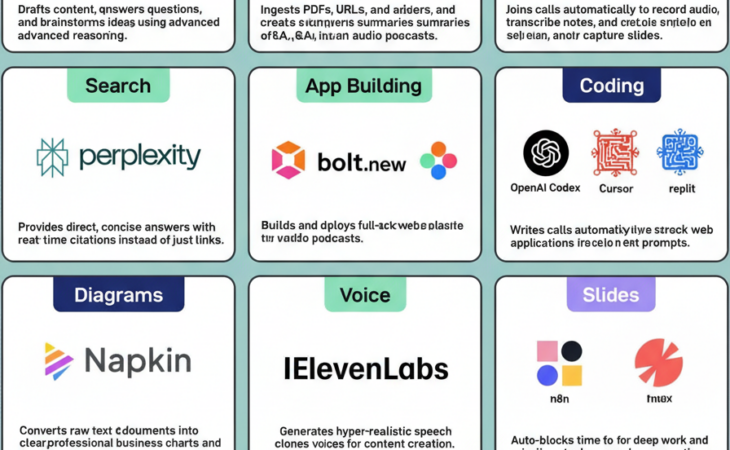
11 Ways To Use AI To Increase Your Productivity Artificial intelligence is transforming the way tasks are executed, allowing for greater output in less time without requiring coding skills. Understanding which AI tools to utilize and when is essential for maximizing productivity. For instance, instead of reading through extensive technical blogs, uploading them to Google’s

Read More
X’s Recommendation System: Architecture of the Grok-Based Algorithm

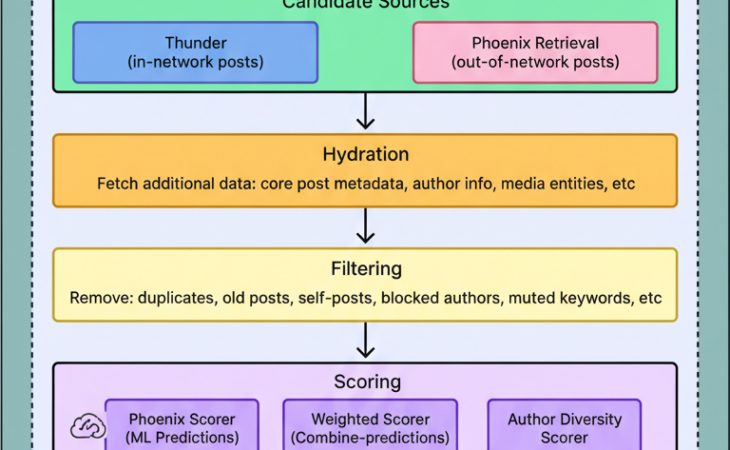
X’s Recommendation System: Architecture of the Grok-Based Algorithm

When users open X (formerly Twitter) and scroll through the “For You” tab, a recommendation system determines which posts to display and in what sequence. This recommendation system operates in real-time. In the realm of social media, low latency is critical, as any performance issues can lead to user dissatisfaction. Previously, the internal mechanisms of

Read More
How Uber Built Charter: Attribute-Based Access Control for Microservices

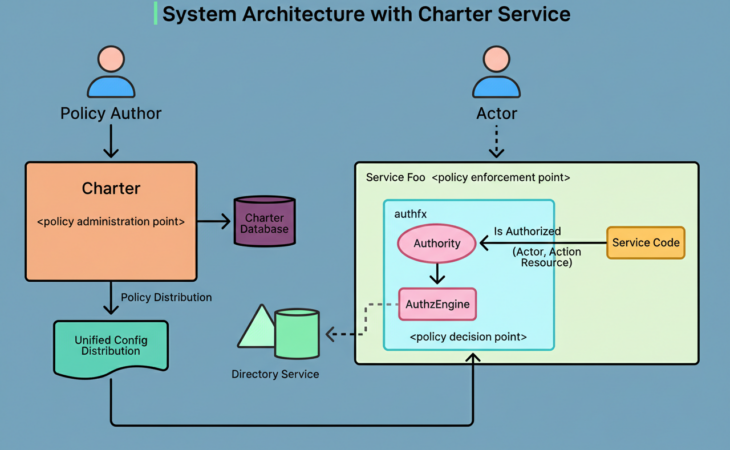
How Uber Built Charter: Attribute-Based Access Control for Microservices

Uber’s infrastructure operates on thousands of microservices, each processing authorization decisions millions of times daily. This encompasses every API call, database query, and message published to Kafka. Crucially, these decisions must occur within microseconds to ensure an optimal user experience. Traditional access control mechanisms proved inadequate for such complexity. For example, policies might dictate that

Read More
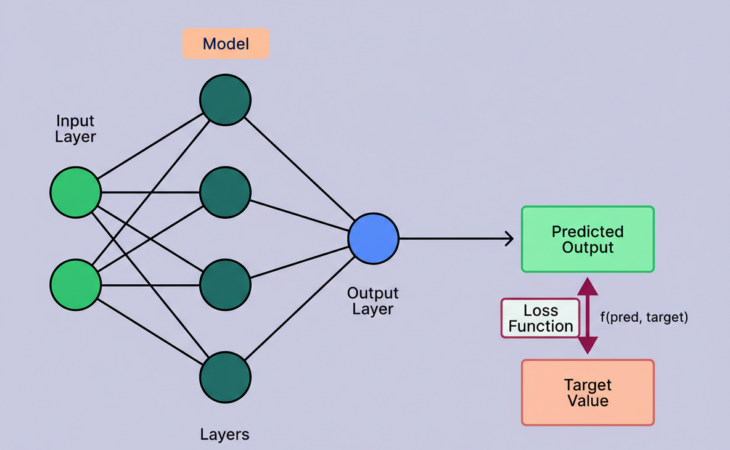
Decoding LLM Mechanics: Loss Functions, Gradient Descent, and Next-Token Prediction

Decoding LLM Mechanics: Loss Functions, Gradient Descent, and Next-Token Prediction

Discussions surrounding large language models (LLMs) and their ‘learning’ capabilities can inadvertently foster misconceptions. The term ‘learning’ often implies a process akin to human cognition, encompassing understanding, reasoning, and genuine insight. However, the internal mechanisms of these advanced systems operate differently. LLMs do not acquire knowledge in the manner humans learn to program or solve

Read More